LinkedIn
Writing
Resume



Talk to me about these, please! +

Greetings! My name is Carlie. +

How I got here +

We can all be excited about this research on emerging therapies +
Evidence on ibogaine
~traumatic brain injury~
Magnesium–ibogaine therapy in veterans with traumatic brain injuries
Magnesium–ibogaine therapy effects on cortical oscillations and neural complexity in veterans with traumatic brain injury
Increased cortical thickness and decreased brain age among special operations veterans with blast TBI after a magnesium-ibogaine protocol
Accelerated recovery using magnesium ibogaine: characterizing the subjective experience of its rapid healing from neuropsychiatric disorders
0665 Ibogaine treatment in combat Veterans significantly improves sleep, beyond alleviating Posttraumatic Stress Disorder symptoms
Mystical experiences during magnesium-Ibogaine are associated with improvements in PTSD symptoms in veterans
Clinical improvement following an integrative iboga microdosing protocol in post-concussive and hypoxic brain injury syndromes: a case series
Open-label study of consecutive ibogaine and 5-MeO-DMT assisted-therapy for trauma-exposed male Special Operations Forces Veterans: prospective data from a clinical program in Mexico
Exploring the potential of psychedelics in brain injury recovery: a thematic analysis of participant narratives
NOTE: If you have a brain injury and are interested in ibogaine, I urge you to reach out. It's important to find a clinic that has safe medical practices and a brain injury-accessible enivronment and programming. The risk of attending an ibogaine clinic that's not disability-conscious is medical traumatization which...we'd like to avoid right?
~multiple sclerosis~
Case report: Significant lesion reduction and neural structural changes following ibogaine treatments for multiple sclerosis
Evidence on psilocybin
~traumatic brain injury~
The Potential Role of Psilocybin in Traumatic Brain Injury Recovery: A Narrative Review
Psilocybin as a Treatment for Repetitive Mild Head Injury: Evidence from Neuroradiology and Molecular Biology
Improved mental health outcomes and normalised spontaneous EEG activity in veterans reporting a history of traumatic brain injuries following participation in a psilocybin retreat
Psychedelics as anti-inflammatory agents
Psychedelic and nutraceutical interventions as therapeutic strategies for military-related mild traumatic brain injuries
Psilocybin restores behavior and 5-HT2A signaling while reducing microglial density after chronic traumatic brain injury in rats
~stroke~
There is an ongoing study on psilocybin for stroke rehabilitation at Johns Hopkins.
-cluster headache~
Psilocybin pulse regimen reduces cluster headache attack frequency in the blinded extension phase of a randomized controlled trial
Response of cluster headache to psilocybin and LSD
~any~
Real-world use, safety, and mental health efficacy of regulated psilocybin services in Oregon and Colorado (preprint)
Evidence on the Portable Neuromodulation Stimulator (PoNS) device
The manufacturer of the PoNS Device is Bioness Medical, based in California. To hear testimonials with patients of the PoNS (TBI and PD) and storytime about the origins of the PoNS with founding electrical engineer Kurt Kaczmarkek, PhD, view this Parkython event.
~traumatic brain injury~
A Prospective, Multicenter Study to Assess the Safety and Efficacy of Translingual Neurostimulation Plus Physical Therapy for the Treatment of a Chronic Balance Deficit Due to Mild-to-Moderate Traumatic Brain Injury
Translingual neural stimulation affects resting-state functional connectivity in mild-moderate traumatic brain injury
Translingual Neural Stimulation with the Portable Neuromodulation Stimulator Induces Structural Changes Leading to Functional Recovery in Patients with Mild-to-Moderate Traumatic Brain Injury
Portable neuromodulation induces neuroplasticity to re-activate motor function recovery from brain injury: a high-density MEG case study
Since 2018, the PoNS has been approved by Health Canada for balance and gait deficit in mild/moderate TBI.
Since 2021, the PoNS has been approved by Australia's Therapeutic Goods Ass'n for balance and gait improvement with exercise, and some folks with TBI qualify.
There is not yet an FDA trial planned about the PoNS for TBI.
~stroke~
There's no stroke-specific research that's been published about the PoNS but...
Since 2023, PoNS has been approved by Health Canada for balance and gait deficit from stroke. The approval referenced a real world evidence database from the use of the PoNS in clinical settings and the existing research about the PoNS for TBI and MS.
Since 2021, the PoNS has been approved by Australia's Therapeutic Goods Ass'n for balance and gait improvement with exercise, and some folks with chronic stroke impairment qualify.
Since 2026, the PoNS was FDA approved for dynamic gait deficits from chronic stroke.
~multiple sclerosis (MS)~
Noninvasive tongue stimulation combined with intensive cognitive and physical rehabilitation induces neuroplastic changes in patients with multiple sclerosis: A multimodal neuroimaging study
Translingual neurostimulation combined with physical therapy to improve walking and balance in multiple sclerosis (NeuroMSTraLS): Study protocol for a randomized controlled trial
Feasibility and Adherence to a 14-week Portable Neuromodulation Stimulator (PoNS) Training Program People with Multiple Sclerosis in a Real-World Setting
Since 2020, PoNS has been approved by Health Canada for gait deficit from MS.
Since 2021, the PoNS has been approved by Australia's Therapeutic Goods Ass'n for balance and gait improvement with exercise, and some folks with MS impairment qualify.
Since 2021, PoNS has been approved by the FDA for gait deficit from MS.
EVIDENCE ON Transcranial Direct Current Stimulation (tDCS)
Transcranial direct current stimulation (tDCS) for improving aphasia in adults with aphasia after stroke (No effect was observed.)
Effect of transcranial direct current stimulation combined with speech and language therapy in post ischemic stroke aphasia: A systematic review
This section is a work in progress. I need a nap!


I've become highly skeptical of ego-clinging. However, I realize that you probably came to this website to learn something about me. Below are some identities I've possessed throughout my life. +


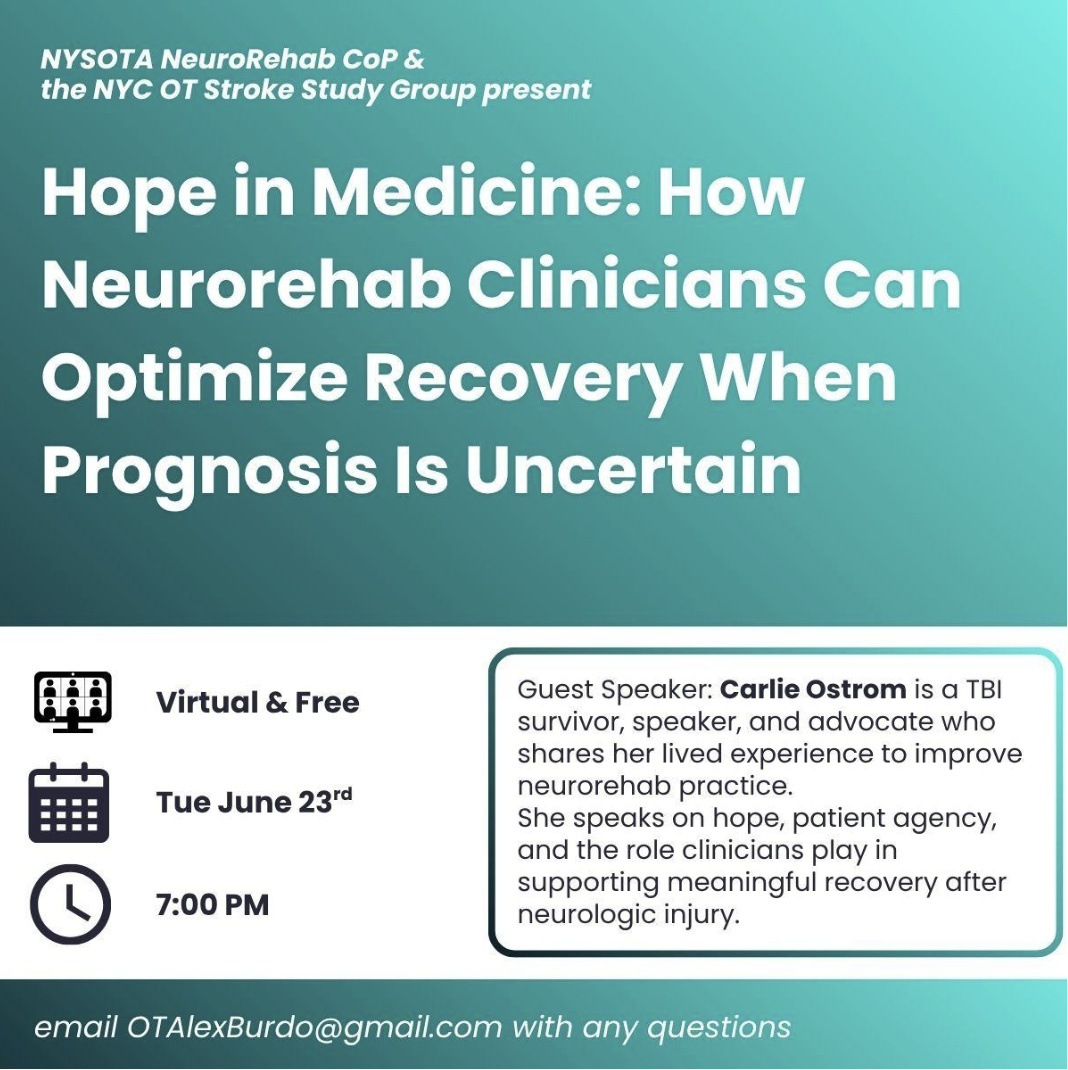
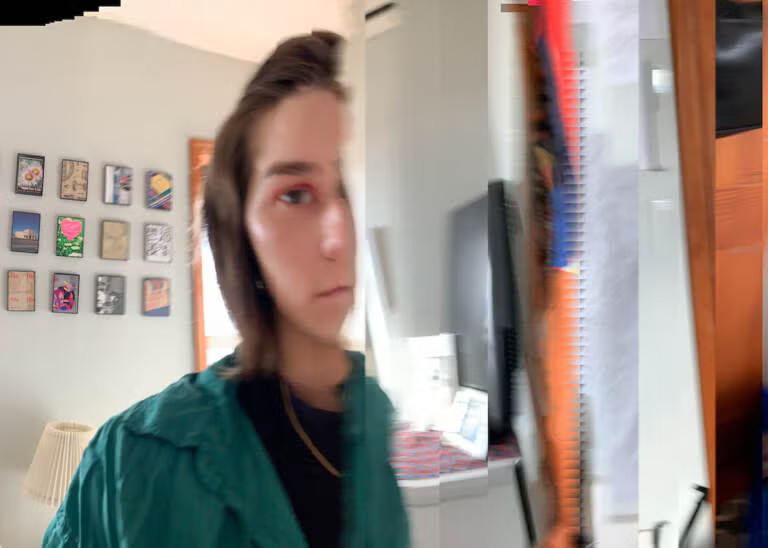

Role models +

You may encounter many defeats, but you must not be defeated. In fact, it may be necessary to encounter the defeats, so you can know who you are, what you can rise from, how you can still come out of it.
Maya Angelou
Maya Angelou
